Deep disagreements about immigration enforcement have led to a lot of legal wrangling in Minnesota.
As I understand it, Governor Tim Walz and Minneapolis mayor Jacob Frey have backed sanctuary-style policies in Minnesota. Basically if an illegal immigrant was arrested they would not always hand them over to ICE as requested. Instead they released hundreds of the detainees back onto the streets. This led the Trump administration to launch Operation Metro Surge in December 2025, sending thousands of agents to the Minneapolis-St. Paul area to try and round up and arrest these immigrants.
This led to intense protests in January, including two tragic shootings. Protesters Renee Good and Alex Pretti were each shot and killed by federal agents, which further stoked community fears.
On January 12, Walz, Frey, and other state officials sued in federal court, arguing that the Trump administration had overstepped its authority. This resulted in two court hearings both held on January 26.
In the first hearing, Minnesota Attorney General Keith Ellison and his team argued that Trump administration had violated the 10th amendment by using excessive force, aggressive tactics, racial profiling, and retaliation against critics. They asked Judge Katherine (Kate) Menendez (a Biden appointee) to bring an immediate halt to Operation Metro Surge.
The judge later issued a written opinion denying the state’s request, finding that plaintiffs had not met the high legal standard for blocking federal law enforcement, despite acknowledging the “profound and even heartbreaking” impacts.
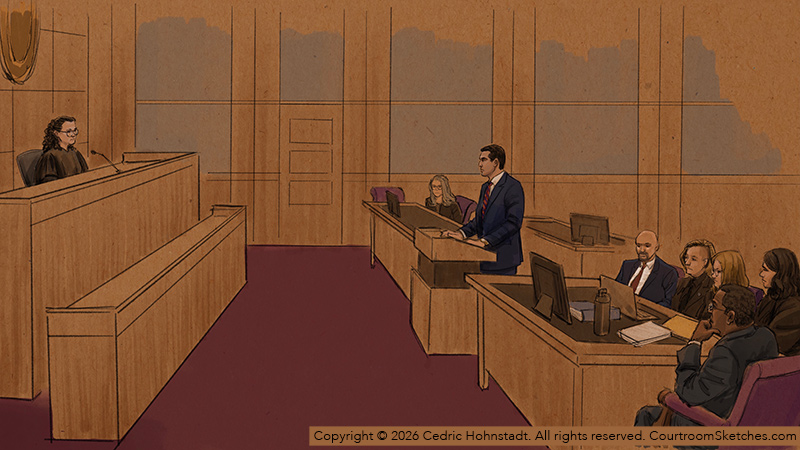
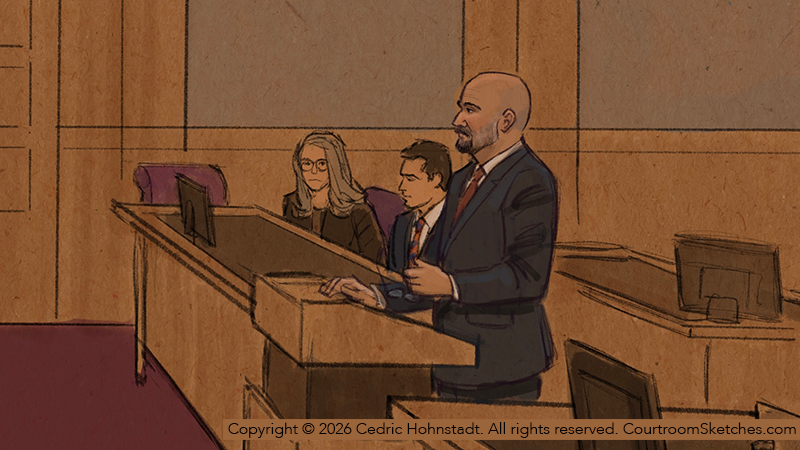
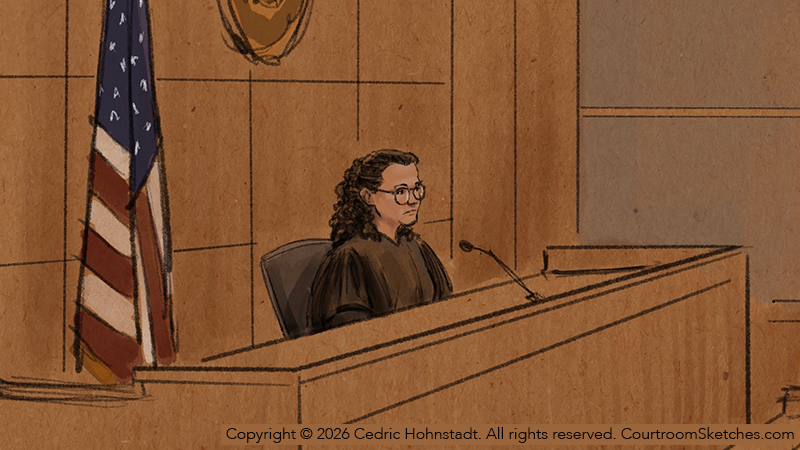
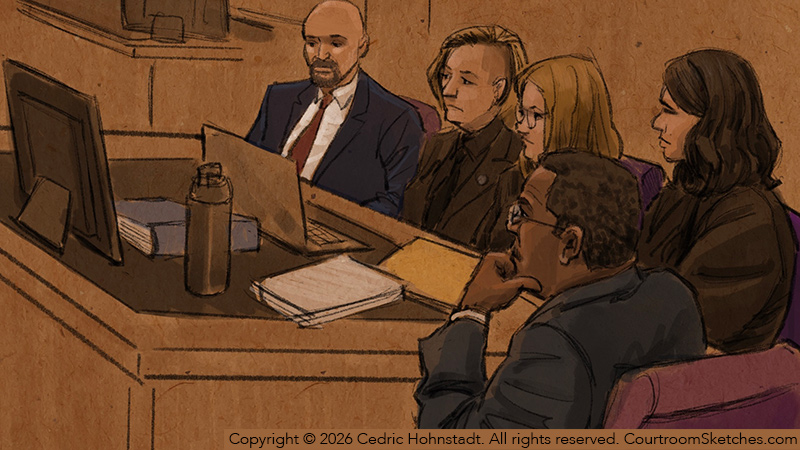
Later that same day there was a second hearing in St. Paul before Judge Eric Tostrud (a Trump appointee) related to evidence in the death of Alex Pretti.
The State of Minnesota was concerned that the Federal government would not do a fair and thorough investigation into the shooting of Pretti by federal agents, and wanted to do their own separate investigation. A judge issued a quick temporary restraining order that prevented the Feds from altering or destroying evidence. This court hearing was a request to extend that restraining order.
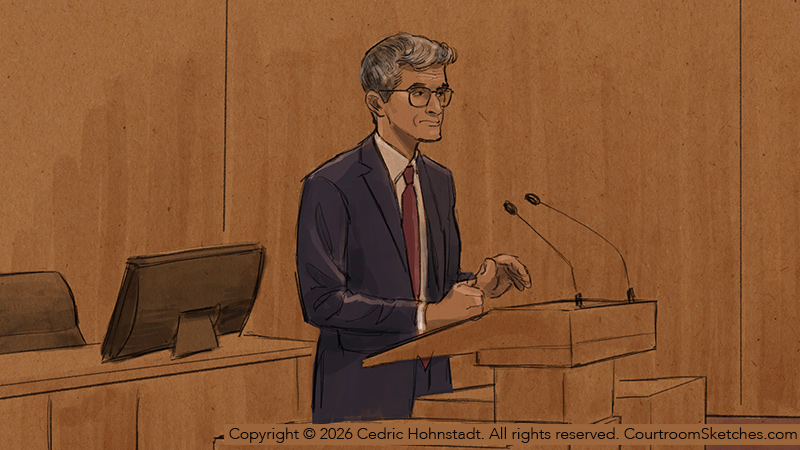
Minnesota Assistant Attorney General Pete Farrell mentioned, as an example, a photo of the alleged firearm Pretti had on his person when he was tackled and shot. This photo was posted on X by the Department of Homeland Security and was shared by President Trump, who called it the “gunman’s gun” while criticizing Minnesota officials. Posting the photo online so quickly was irregular and potentially violated the proper chain of custody procedures.
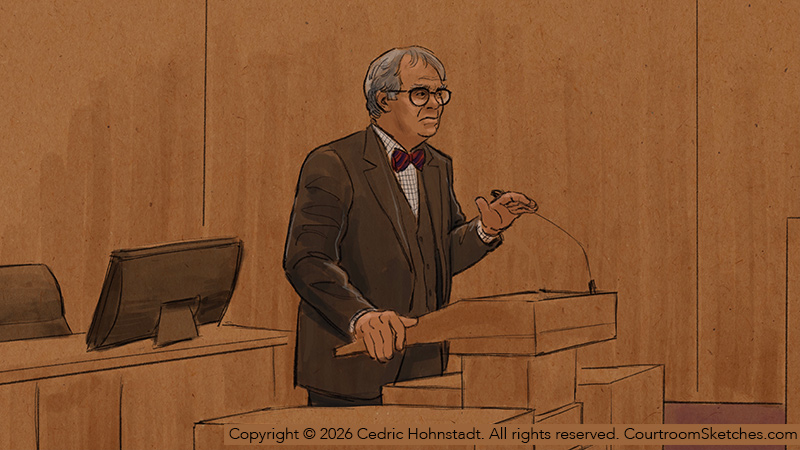
Trump attorney Friedrich Siekert countered that the shooting was a federal matter involving federal agents during a federal operation. He said that all evidence was being handled properly, there was no proof of spoliation or bad faith, and asked the court not to micromanage the investigation.
On February 2 Judge Tostrud released an 18-page opinion denying the state’s request, finding that the evidence suggested the Feds were unlikely to destroy or improperly alter the evidence, and that extending the restraining order would unnecessarily clog up the investigation.